
A Nurse’s First Warning
The Good Nurse: A True Story of Medicine, Madness, and MurderThis thread follows the separate, early signals of danger around Cullen before they were assembled into a coherent pattern.
increasing Bearing strength in each event
 decreasing
Bearing strength in each eventdecreasingA Puppy Disappears
A Puppy Disappears
A Troubling Explanation
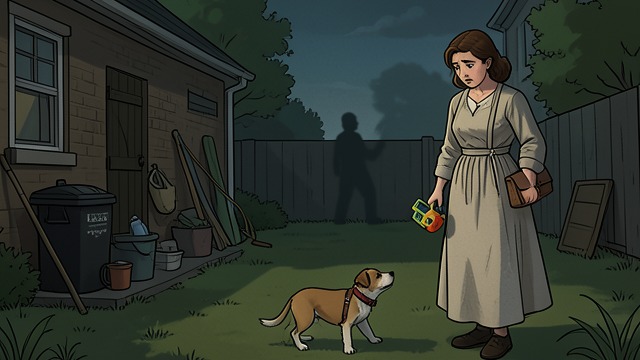
Adrianne Cullen returned home to find that a puppy had vanished while Charles Cullen was responsible for the infant and the animal. Cullen said the puppy had run away during a walk, but his explanation left her uneasy.
Earlier Signs Reconsidered
The disappearance joined a growing collection of behavior Adrianne could not explain, including his emotional distance and time spent alone in the basement. She struggled to decide whether these were warning signs or signs of a failing marriage.
The episode did not give Adrianne proof of a crime, but it altered the emotional texture of home. Later events would make her revisit the missing animal as part of a larger pattern of fear.
The Neighbor’s Beagle
The Neighbor’s Beagle
A Poisoned Animal
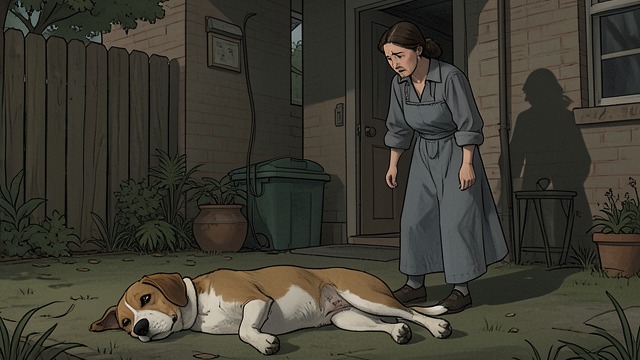
A neighbor’s elderly beagle, Queenie, was found dead near the Cullens’ home, and a veterinarian determined that the dog had been poisoned. Adrianne remembered that the animal had often wandered into their yard.
Fear Takes Shape
The death became difficult for Adrianne to separate from the missing puppy and the photographs Cullen had cut apart. She began to see a disturbing possibility, even though she did not know what had happened or how to confront him.
The beagle’s death was not proof that Cullen had harmed people. It did, however, make Adrianne’s home feel unsafe and helped form the fear she would later voice to police and a lawyer.
Questions at Work
Questions at Work
Nurses Notice Anomalies
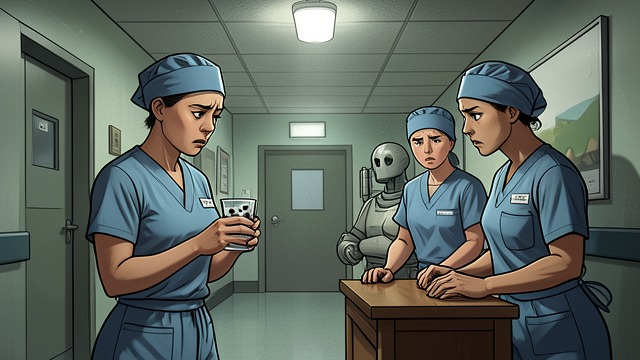
Saint Barnabas staff encountered unexplained hypoglycemia and contaminated IV bags. Some workers were alarmed by the unusual physical evidence and the frequency of codes, while Cullen appeared notably unconcerned when questioned.
A Suspicion Without Consensus
Thomas Arnold and Joe Barry identified Cullen as a central person of interest, yet hospital and police investigations did not reach a prosecutable conclusion. Other possible explanations and the complicated medical cases made certainty difficult.
The warning existed, but its meaning was contested and its documentation was incomplete. A suspicion known to some employees did not become a durable alert that could follow Cullen to another job.
A Daughter Speaks Up
A Daughter Speaks Up
A Dangerous Cache
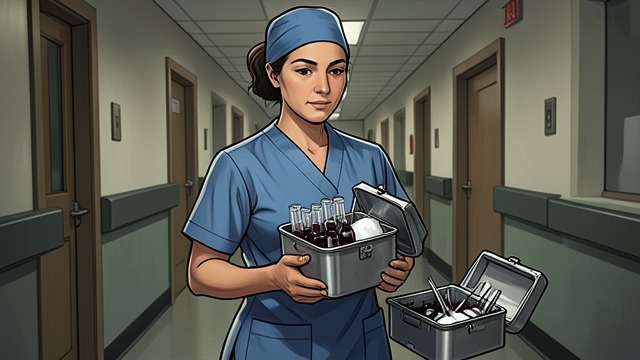
Kim Wolfe and Candy Wahlmark discovered drug containers inside the sharps disposal bin at Saint Luke’s Hospital. The cache included vecuronium bromide and the long-missing Pronestyl, raising concern that medicines were being diverted or used improperly.
A Nurse Connects the Shift
After watching the medication room, Kim and Candy saw Cullen enter and leave. They alerted Ellen Amedeo, and the hospital began taking steps to confront him and review the unexplained stock losses.
Their observation supplied a concrete warning that could not be dismissed as a vague impression. Yet the subsequent investigation still failed to produce a timely public account linking Cullen to patient deaths.
A Colleague Goes to Police
A Colleague Goes to Police
A Nurse Refuses Silence
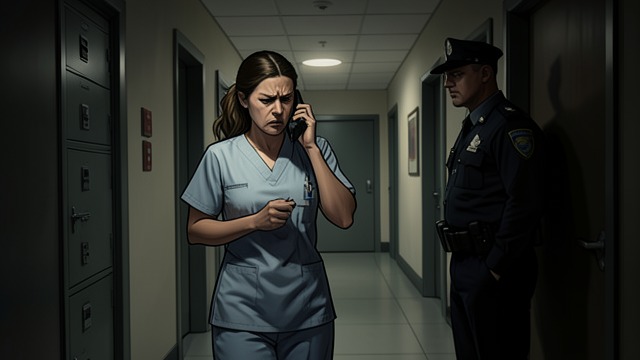
Pat Medellin believed that suspicious deaths at Saint Luke’s Hospital were connected to Cullen and was dissatisfied with the hospital’s assurance that he had not harmed patients. She took her concerns to an acquaintance in law enforcement.
The Investigation Reopens
Her disclosure reached state police and prosecutors, prompting interviews with nurses who described unusual deaths, codes, and Cullen’s presence around patients. The inquiry expanded beyond the hospital’s own limited review.
Medellin’s choice moved the concern beyond corporate channels, but it came only after Cullen had left and taken another job. Her action illustrates both the power and the cost of a whistleblower’s persistence.
Around 1989
Late 1980s
February to October 1991
June 2002
August 2002
